
Paint protection film (PPF): the best way to protect your paint from damage
Wax and ceramic coatings work with the surface of the paint. PPF is the only one that adds a physical layer, so it takes the hit from a stone chip instead of your paint.

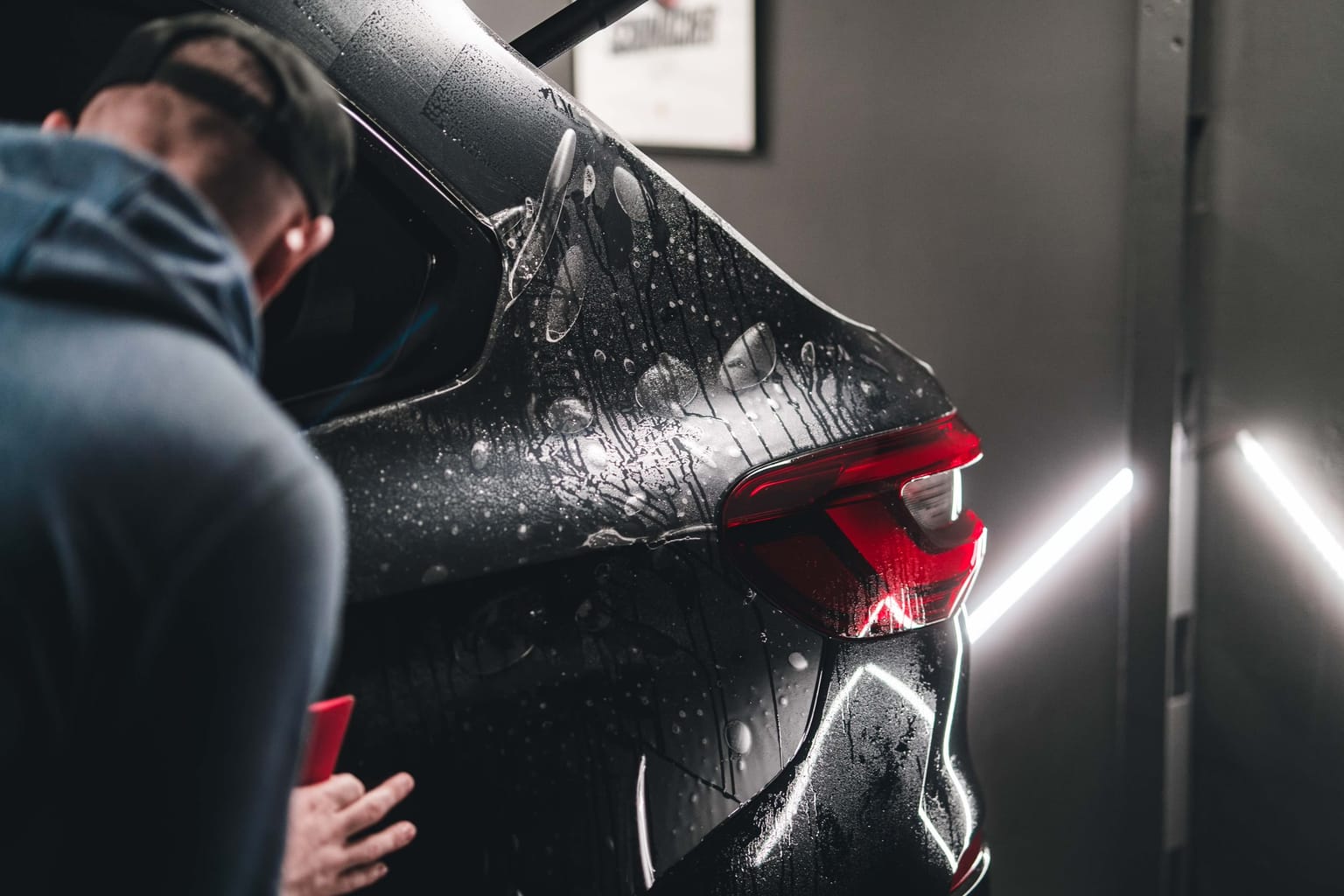
Paint protection film is one of the most expensive ways to protect your paint. At the same time, it's the only commonly used type of protection that can genuinely protect the paint from mechanical damage.
And PPF doesn't have to be clear and glossy. A clear gloss film keeps the original color and look of the car, while a matte version can turn glossy paint matte or protect paint that's already matte without changing its character. Colored PPF is also becoming more common. It's a higher-quality, more durable and better-looking, but also considerably more expensive, alternative to a classic color-change wrap. Besides changing the color, it mainly offers much stronger mechanical protection and, in the gloss versions, a deeper shine.
While wax or a ceramic coating mainly changes how the surface behaves, PPF adds a real physical layer on top of the paint.
Put simply, it's a bit like a good phone case. You can use your phone without one, but if it falls on the floor, you're glad the case took the hit and not the phone.
On a car, that's the job of paint protection film.
What is PPF?
PPF, short for paint protection film, is a transparent protective film applied directly to the car's paint.
A quality film is practically invisible once it has been installed properly.
Its main job is to create a physical protective layer between the paint and the outside world.
That's the biggest difference from a ceramic coating.
What PPF protects your paint from
- Stone chips – the most common reason people get PPF. The front bumper, hood, fenders and mirrors take dozens of small hits on every highway drive, and over time they show on the paint.
- Everyday scratches and scuffs – for example when you move around the car, open the doors or brush against branches or other objects.
- Things you can't really control – someone rubs against your car, a child picks up something sharp and starts "drawing" on it, or someone deliberately runs a key along the doors.
The film can absorb the vast majority of everyday stone chips and so keep them from damaging the paint itself.
PPF isn't bulletproof, of course, but in many situations like these the damage may end up only in the film instead of the original paint. The film is then simply replaced and the panel doesn't need repainting.
Self-healing
Modern quality films have what's called a self-healing layer.
Fine scratches, for example from washing or everyday handling, can gradually disappear with heat.
Often the warmth of the sun or warm water is enough.
That obviously doesn't mean a deeply cut film will repair itself. But with fine marks, this property helps keep the surface in very good condition for a long time.
The whole car or just the front?
You don't have to apply PPF to the whole car. In practice, people choose between two options:
- The front – the bumper, hood, front fenders, mirrors and possibly other exposed areas. These are the parts most exposed to stone chips and other damage while driving.
- The whole car – this makes sense mainly for new, more expensive or exceptional cars, where the owner wants to keep the original paint in the best possible condition across the whole body. Another advantage is that you don't have to worry so much about every small contact with the car in everyday use.
PPF isn't indestructible
Of course, PPF can't stop absolutely everything either.
A large stone, an accident or a really deep cut can go through the film too.
But it's important to remember that the film is the first layer that absorbs the damage.
And while a damaged film can be removed from a panel and replaced with new film, repairing the original paint often means a touch-up or repainting the whole panel.
Keeping the original paint is one of the main reasons many owners invest in PPF.
Who PPF makes sense for
PPF is the most expensive option for protecting your paint, and it's certainly not something everyone needs.
But if you want to genuinely protect your car from stone chips, scratches and other mechanical damage, no wax or ceramic coating can replace it in that respect.
It makes the most sense for a new car, a more expensive car or a car you want to keep in the best possible original condition for years.
A ceramic coating makes caring for your paint easier. PPF physically protects it.
Published 13 August 2026 · 5 min read

The next stage of Detailero: developing the apps and reaching new customers
The past few weeks at Detailero were mostly about developing and fine-tuning the apps. Over the coming months, that work will be followed by a stronger focus on marketing, aimed at both studios and car owners. We want to use the winter to develop the platform further and to support interest in the services of the studios on board.
Ceramic coating for cars: what to really expect
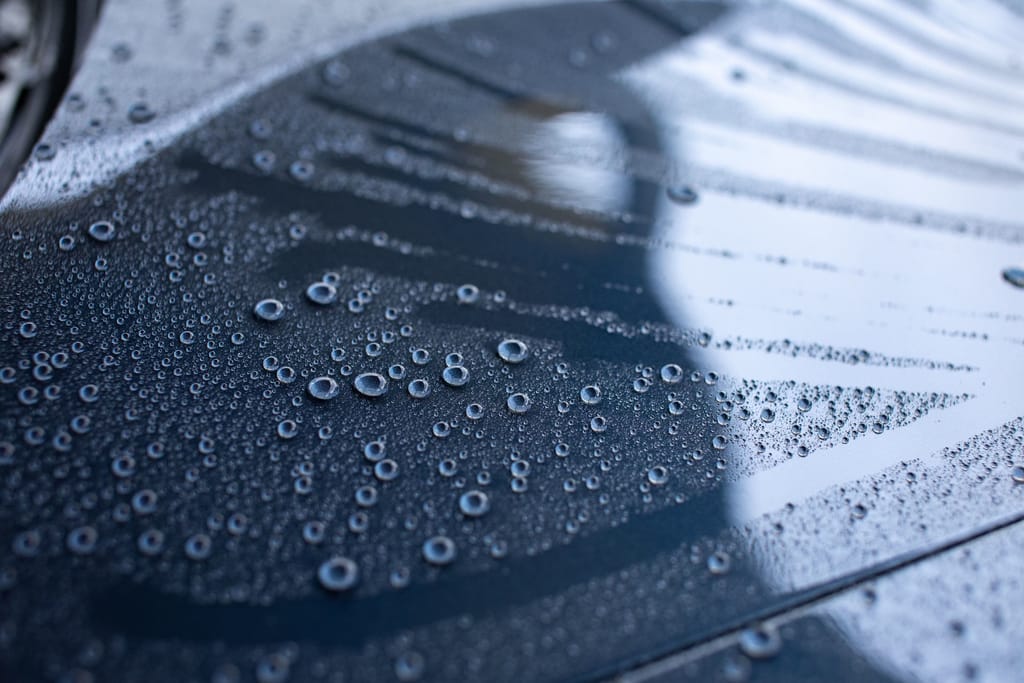
A ceramic coating won't protect your paint from stone chips, and it won't do your washing for you. So what does it actually do, how long does it last and who is it for?
How often should you wash your car, and how do you do it right?
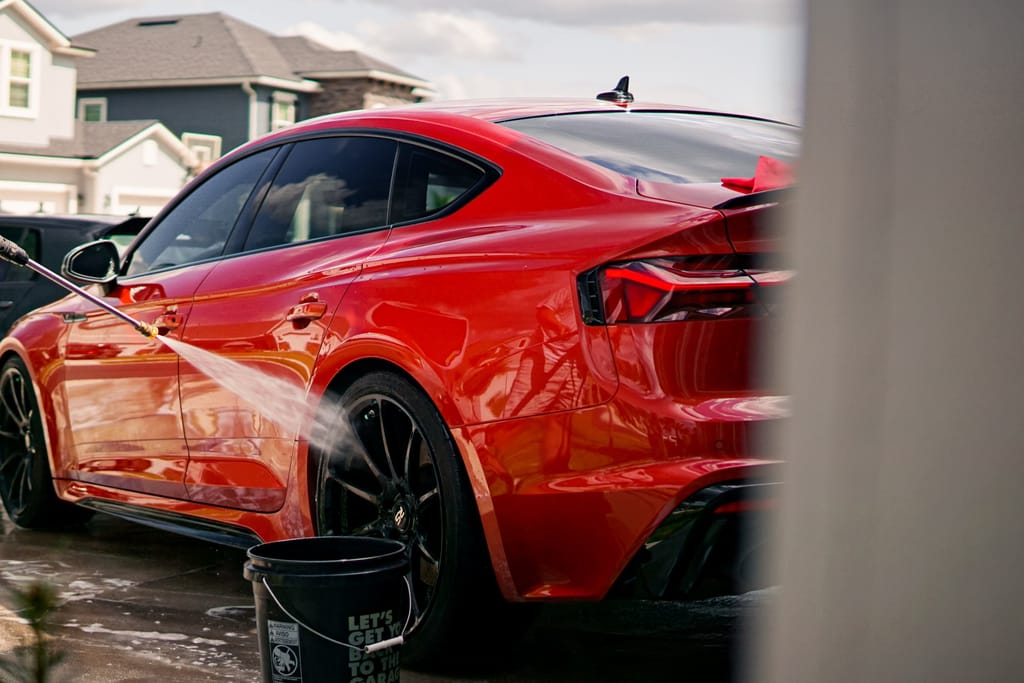
You can wash your car every week and still slowly ruin the paint. Technique is what counts, and some kinds of dirt shouldn't wait until the next wash.